Enrollment for 2417 is open
Careers of the Arm. Tuition-free.
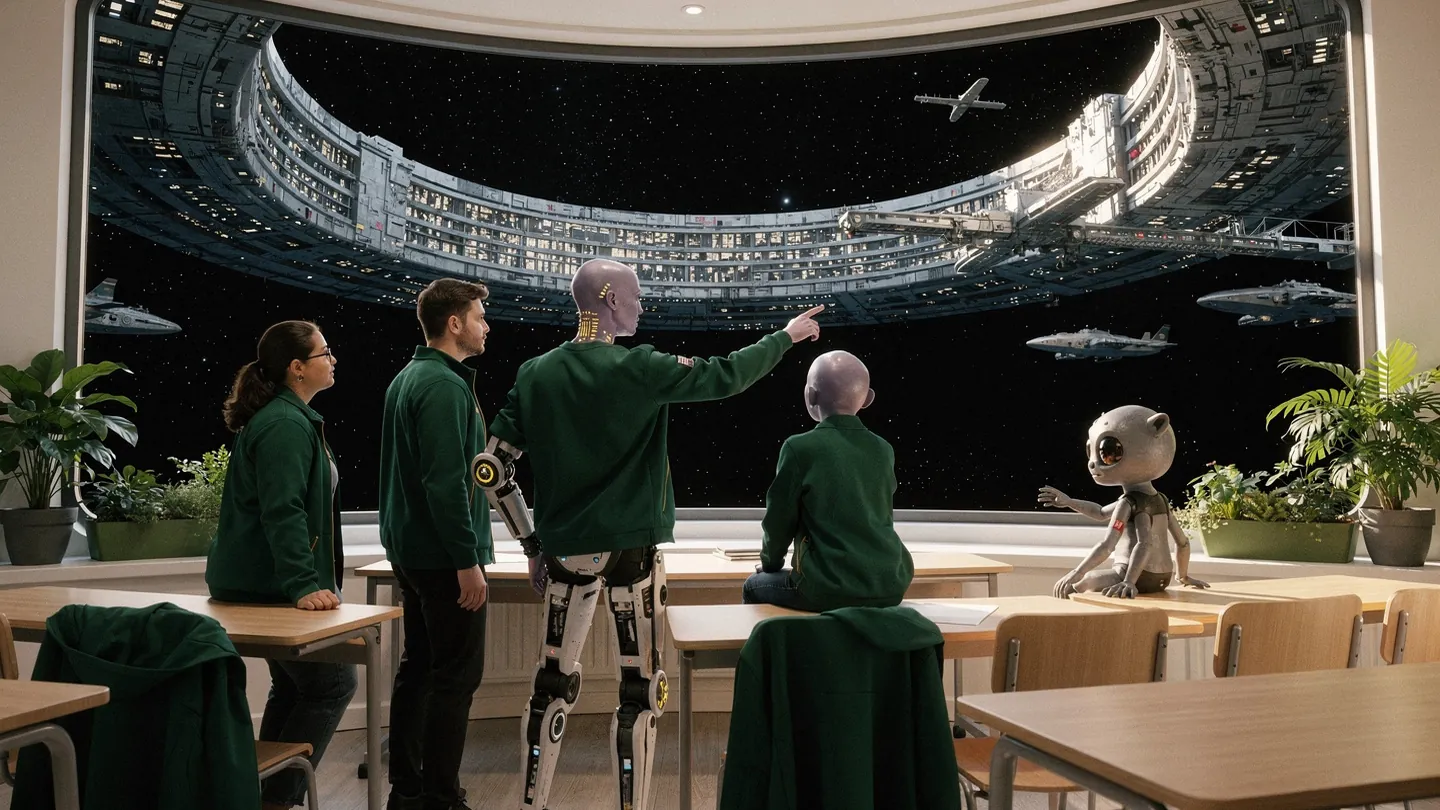
Pilots, navigators, captains, signal officers, timekeepers. The Laspi cartel pays for your training, because six hundred worlds depend on communications, and communications, oddly enough, depend on people who can fly. We already know where you live, so feel free to skip that field on the application.
- 0crowns is what tuition costs. We make our money on communications, not on you.
- 600worlds in the node network, and every one of them needs our graduates, especially the ones that don't know it yet.
- 40hours of cooldown after a blind jump: just enough for one lecture and two arguments with the mechanic.
- ∞attempts in the trainer: no losing, no penalties, and the timer doesn't yell.
Programs
Eight specialties for any ship
Every ship needs all eight specialties, from a liner with gravity plates to an old rescue ship like the “Wave”. You can start with any of them. We suggest an order but don't insist on it, because out in space nobody asks which course you took first.
-

Trainer open
Navigator
Orbits, rendezvous and transfers from one orbit to another. This is real mechanics, where the engine fires at the right moment, not the pretty one. Ten levels are already waiting in the trainer: raise your low point, transfer between orbits, catch up with a convoy, make a rendezvous, get captured by a moon, and fly past it so that it speeds up your ship for free.
Start practicing → -
Trainer open
Pilot
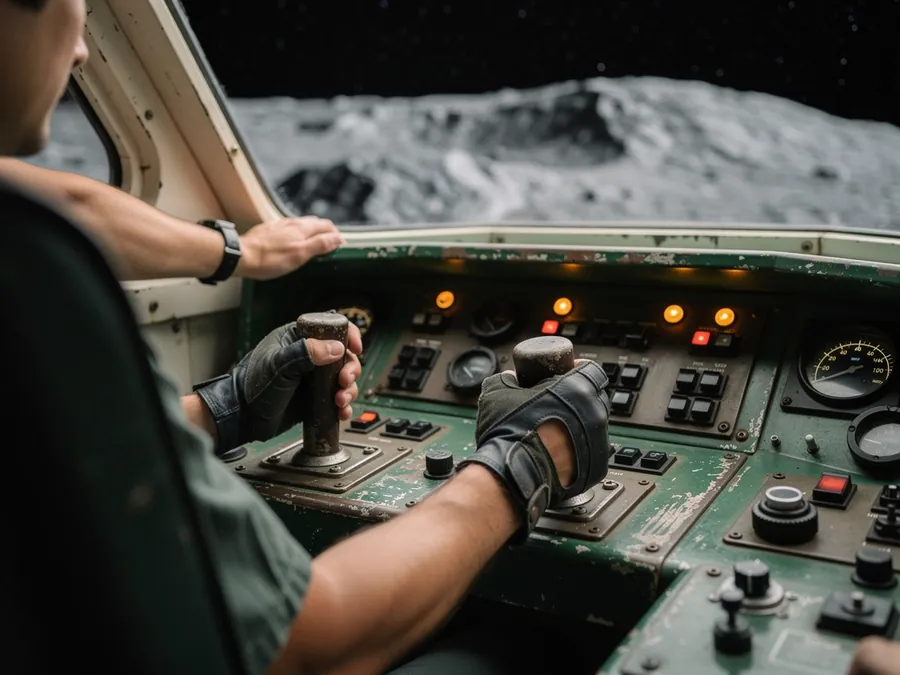
Hands, hull and a feel for mass: easing thirty-eight tonnes into the node by touch. Ten levels take you from “stop a drift with a single pair of thrusters” to docking with a rotating station: kill a tumble, bring the ship up to the node and close the latches, deal with loose cargo containers on board, and dock without a stabilizer. Suitable even for those who've only ever driven a forklift on Karadag.
Start practicing → -

Trainer open
Captain
Decisions, crew, insurers and debts: the Academy's most honest course. Ten situations, from a single call to an entire watch: two calls and one ship, one of Pitz's men who is “almost legal,” a mine owner who has declared the second shift unrecoverable. Every option shows you the numbers before you choose, people's air keeps running out while the captain thinks, and afterwards we spend four months waiting for the insurer's lawyer to stop looking for something to nitpick.
Start practicing → -
Signal practice open
Signal Officer
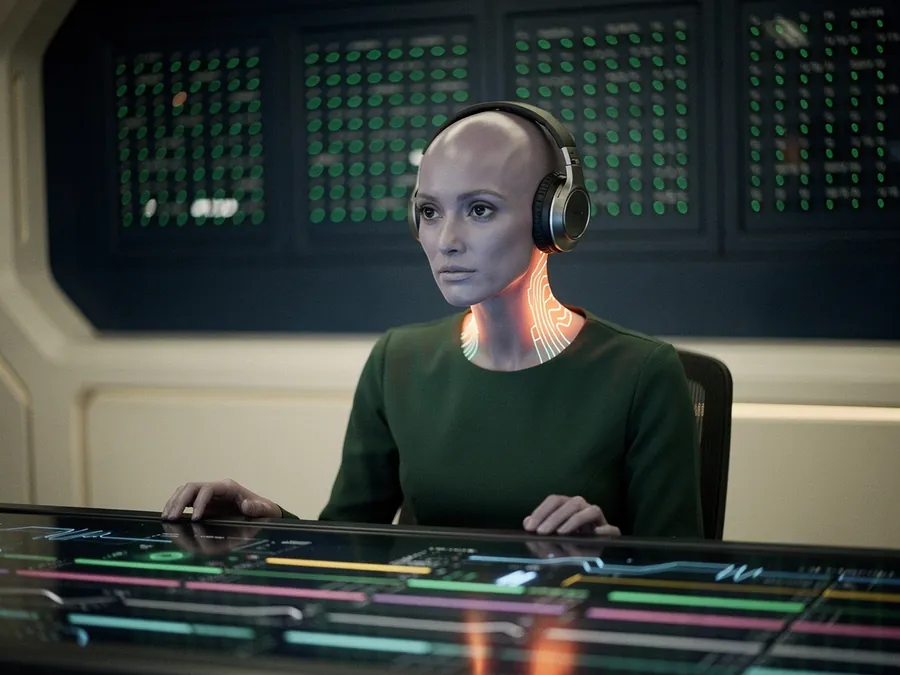
Nodes, dead zones, planetary shadow, and light that takes its time. Ten levels: place relays so the channel holds for the whole cycle, through the planet's shadow, a settlement on the far side of a moon, a chain across the entire system, a ship under way and a full network. The course is taught by the cartel that keeps those communications running.
Start practicing → -
Trainer open
Timekeeper
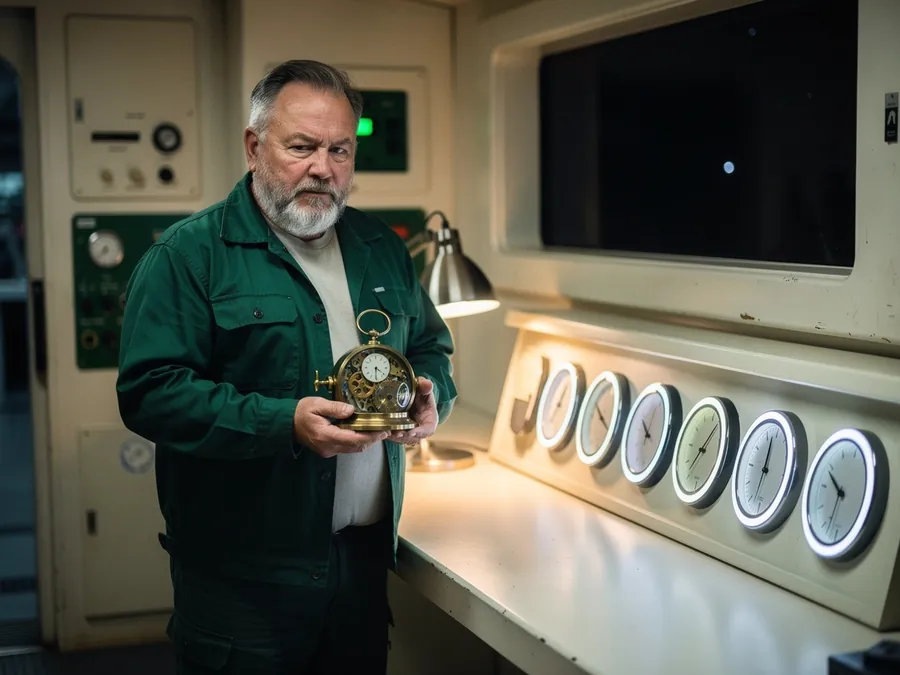
In the Arm, everyone keeps their own time: light travels for minutes, and your screen always shows the past. Ten levels: put the marker where the courier will be, not where you see it; sync two ships' clocks by exchanging signals; arrange a blind rendezvous; and crack the insurer's “Four Minutes” case, where someone else's clocks are both offset and running fast.
Start practicing → -
Trainer open
Jumps
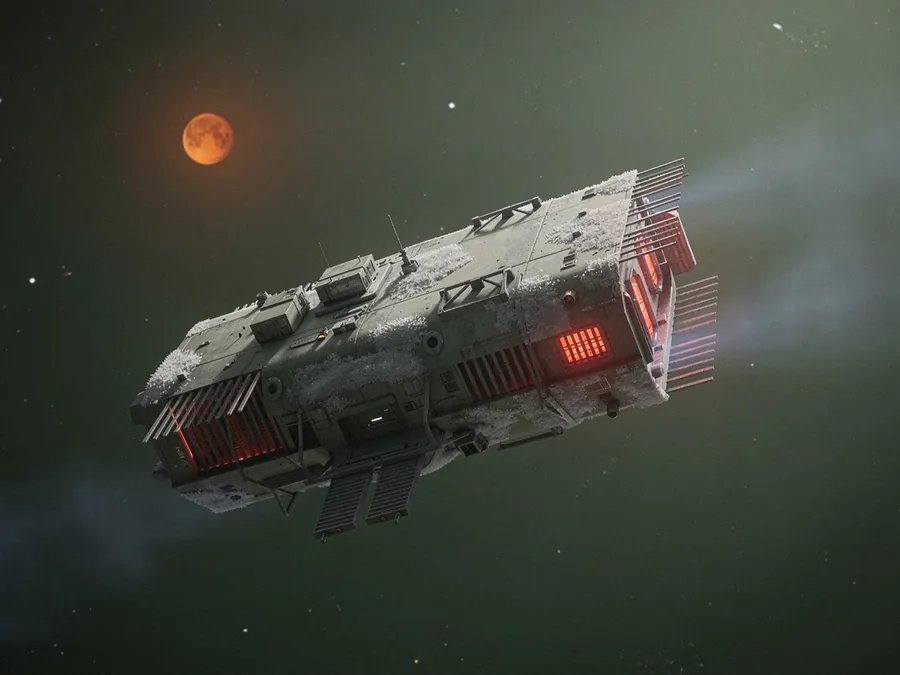
A node jump by beacon and a blind jump into the unknown: five light-years, forty hours of cooldown, crystals from an unfamiliar batch, and an exit point with a margin of error. Ten levels: a direct run, refueling via a node, crystals from the wrong batch, a blind sector where the route is redrawn after every jump, and a convoy of three ships with different air reserves.
Start practicing → -
Trainer open
Mechanic
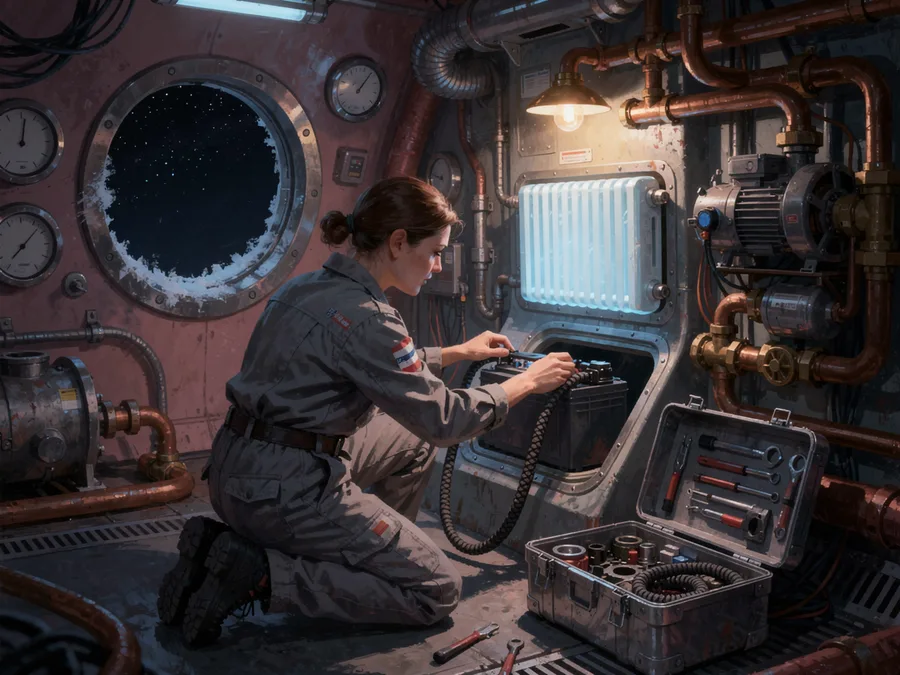
A construction kit on the ship's schematic. Parts from the crate snap into sockets, power, air and heat lines connect them, and the schematic comes to life only if it's built honestly: current flows through a closed circuit, every watt is dumped by a radiator, air circulates, and the center of mass stays within tolerance. Ten levels, from a lamp and a battery to a fully assembled Swift. On level eight the air runs out for real, which is to say, on a timer.
Start practicing → -
Tests open
Tests
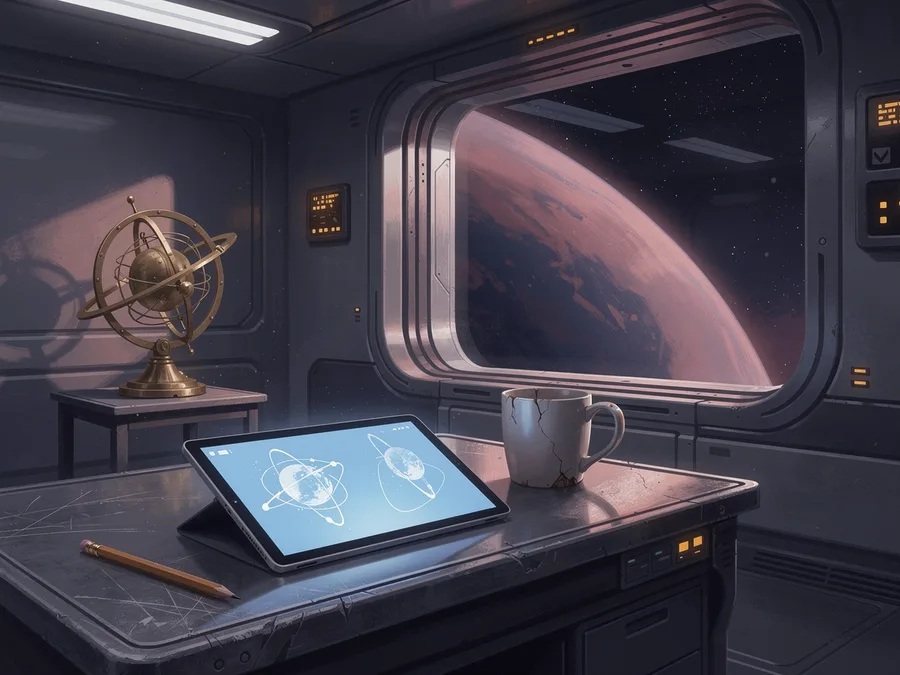
Short tests with diagrams: where to burn to raise an orbit, why the screen always shows the past, how to ease thirty-eight tonnes into a node, how long it would take Earth to fall into the Sun, what kills you first in a vacuum, how to shield yourself from radiation, how long to wait for a launch window home from Mars, and why there are antennas on three continents. Nine tests, an explanation after every answer, and as many retakes as you like. On the career ladders they stand as gates: at levels four and eight there's a test on the topic. Passing it adds a star to your rank, and a flawless pass earns two stars and a patch.
Start practicing → -
Trainer open
Planetary Engineer
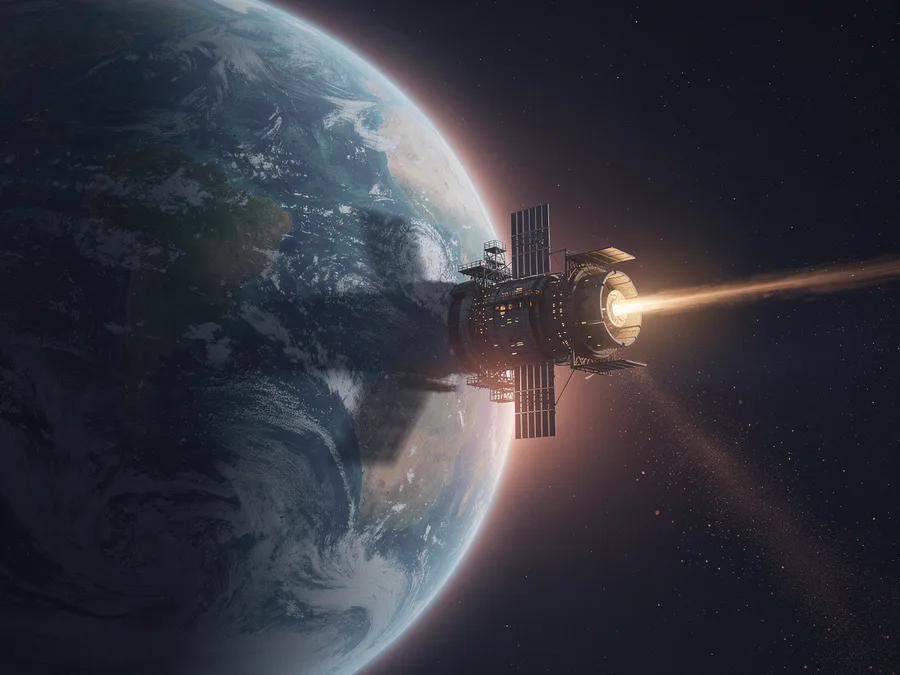
The star is heating up, but nudge the planet out just a little and the climate comes back. The engine sits on the equator: the jet shoots up into the sky and pushes the planet “down,” and over a day that push sweeps around every direction. The exhaust points backward along the orbit only at sunset. On the upper levels you tow the moon along with you. Push when it's off to the side, or its orbit gets stretched and the tides go haywire.
Start practicing →
Why it's free
Communications depend on people who can fly
Laspi keeps the Arm connected: messages, voice packets, and node buffers where mail piles up for ships in dead zones. But letters don't fly anywhere by themselves, and without people who can pilot ships, any network turns into a nice warehouse full of other people's news. That's why we pay for your training and ask nothing in return. We rarely ask for anything, really. Things usually come to us on their own.
“Laspi wants to be an unnoticed part of life, like water from the tap.” from the cartel's internal handbook, which for some reason everyone seems to have
Admission
Three steps to your first patch
- Choose a program
The one closest to your dream, or the one with the prettiest picture. We won't be offended.
- Open the trainer
No sign-up, no forms, no entrance exams. Your personal file is stored in your browser, and we know nothing about it. Yes, even that happens with us sometimes.
- Earn your patch
Collect stars and a patch. You get as many attempts as you like, and you can't lose. Everyone makes mistakes in space; here, at least, it's free.
Graduates
What those who've already made it say
I used to think orbits were circles. Then I spent three hours chasing a target and realised that orbits are circles only when they're in a good mood.
Ralia Montnavigator, Core-born, Chersonesus
I came for the free lunch. There was no lunch, but now I calculate fuel burn faster than my uncle counts other people's debts, and in our clan my uncle is the authority on debts.
Oiko Tiu-Vaasupercargo, Sarn, Feoda
Nobody rushes a Heavy, and the trainer doesn't rush you either: forty attempts, and not one of them logged as a loss. Mum on Karadag is proud of me, though she never did work out what for.
Hadren Vospilot, Heavy, Karadag
Questions
Most frequently asked
Is it really free?
Yes, because we earn our crowns from communications. If we ever start charging for tuition, something truly strange will have happened in the Arm.
Do I need to register?
No: no email, no password, no handprint, and that goes for all four hands. Your progress is stored in your browser, and you can download your personal file and take it to another device.
Is the diploma recognised?
Licences in the Arm are issued by the Assembly, and we have no designs on its job. You won't be embarrassed to show an Academy patch to a friend in a bar on Tessa, and it means exactly one thing: you did it yourself.
Where does the training take place?
Training takes place in your browser, although there is a campus on Tessa too. It's just that it has been under renovation for years now, and the little spiders of Partenit won't let us hurry the workers.
Is the physics in the trainers real?
The physics is real: real gravity, real orbits and no magic arrows. The only fantastical things in the Arm are the nodes and the jumps; ships fall and accelerate by the same laws as everywhere else.
Your first navigator contract awaits
An impulse arrow, a real orbit at your fingertips, and as many attempts as you like.
Open the trainer